
Power conditioning covers several different jobs that are often bundled into one box: protecting equipment from surges, filtering high-frequency noise off the mains, isolating components to break ground loops, and in some products regenerating a clean AC waveform. They are not interchangeable, and the value of each depends on your equipment and how dirty your mains supply actually is. Knowing what each does prevents both wasted money and missed problems.
Surge Protection
Surge / Transient Protection
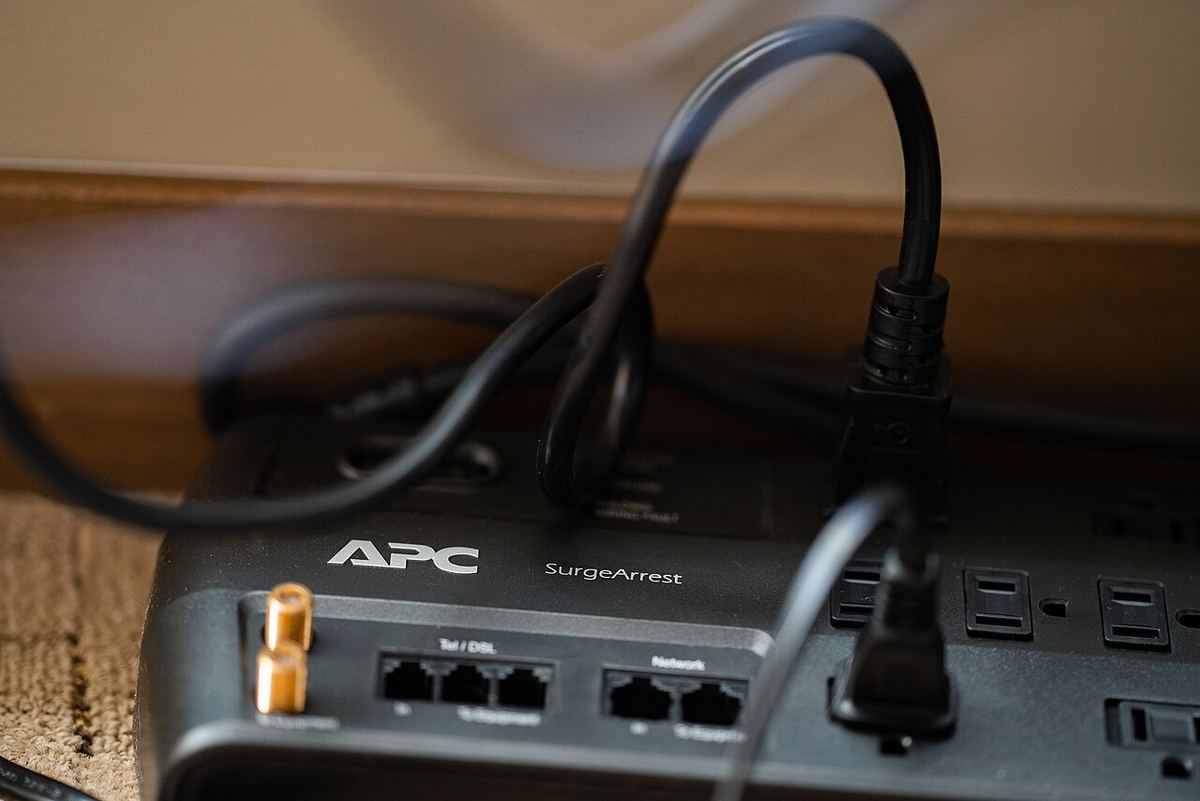
Surge protection clamps voltage spikes — from lightning, grid switching, or large appliances — before they reach your gear. This is the one function every system benefits from: a single surge can destroy an amplifier or DAC. Look at the joule rating (energy it can absorb) and clamping voltage (the level at which it acts). Surge protection is cheap insurance and the least controversial part of power conditioning.
Noise Filtering
RFI / EMI Filtering
Mains supply carries high-frequency noise from switching power supplies, dimmers, motors, and digital devices. Filters attenuate this noise before it reaches sensitive analog circuitry, where it can raise the noise floor or intermodulate into the audible band. Filtering helps most with low-level components — phono stages, DACs, preamps — in electrically noisy environments. Its audible benefit varies enormously: a system on a quiet rural supply may hear nothing; one sharing a circuit with LED dimmers and a fridge may hear a real improvement.
A Caution for Power Amplifiers
Current Limiting
Power amplifiers draw large, brief current surges on bass transients. A conditioner with an undersized filter or transformer can choke that current, softening dynamics and compressing the sound — the opposite of the intended effect. Many manufacturers recommend plugging power amps directly into the wall (or into a high-current, unfiltered conditioner outlet) and conditioning only the source and preamp components. If conditioning an amp, ensure the device can pass the amp’s peak current demand without restriction.
Isolation and Ground Loops
Isolation Transformers
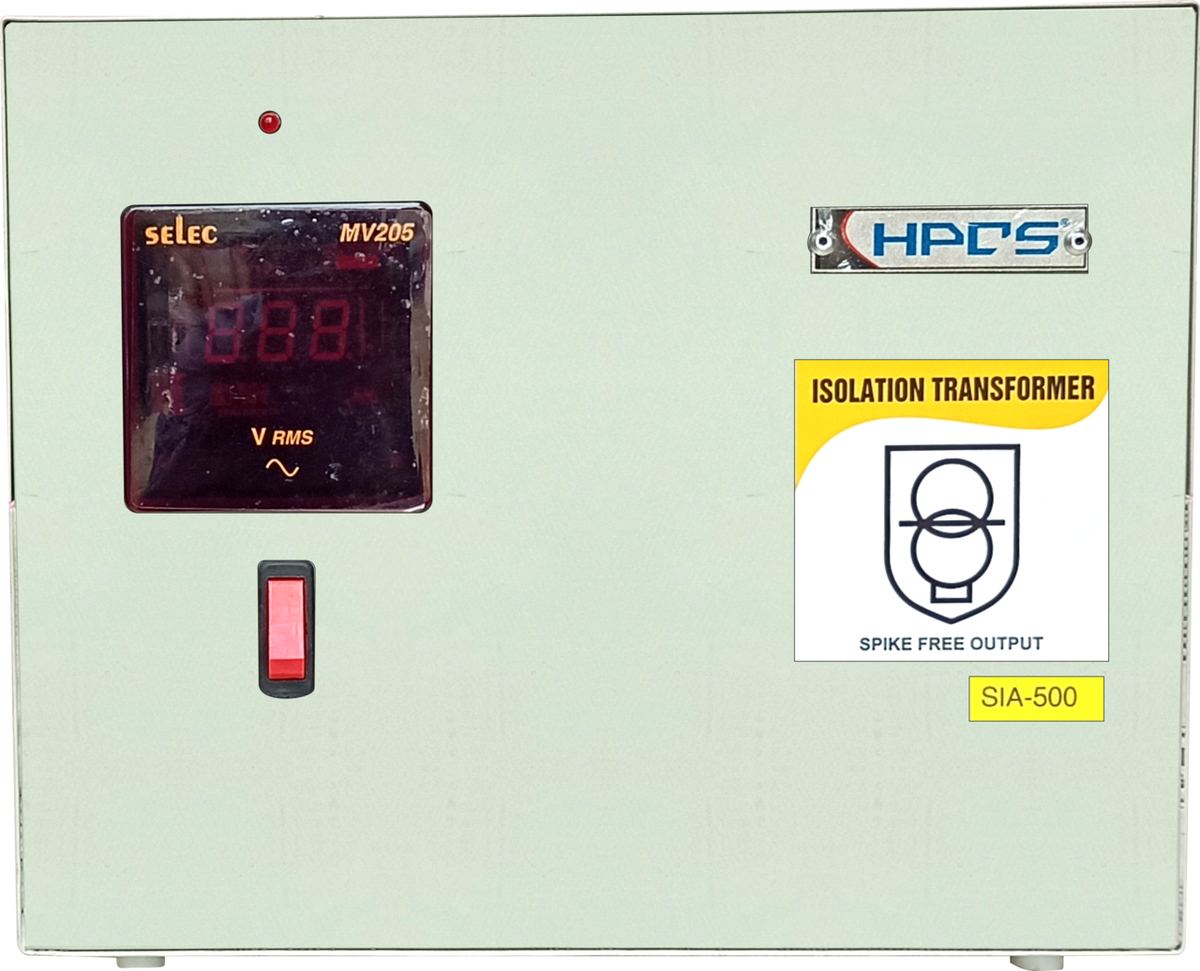
A hum or buzz that rises and falls with volume on some sources is usually a ground loop — a small voltage difference between components’ grounds creating a current through the signal cables. Isolation transformers (and balanced power) can break these loops by galvanically separating the supply. This addresses an actual, audible fault rather than a subtle one. Before buying isolation hardware, rule out simpler causes: a single shared outlet, a cheater plug as a diagnostic only, or a ground-loop isolator on the offending source.
AC Regeneration
Power Regenerators
A regenerator takes in mains AC, converts it to DC, and synthesises a fresh, clean sine wave at precise voltage and frequency — effectively a high-power audio amplifier driving your system’s power supplies. It delivers the cleanest, most stable AC and can genuinely help source components and in areas with poor mains voltage or distorted waveforms. The trade-offs are cost, heat, and limited current capacity — regenerators are best suited to front-end gear, not high-power amplifiers.
Diagnose before you buy: The biggest real-world gains from "power" products usually come from fixing a specific fault — a surge risk, a ground loop, or a genuinely noisy circuit — not from generic "cleaner power." A dedicated mains circuit to the listening room often does more than any conditioner. Identify the actual problem first.
What Is Actually on Your Mains
Before deciding whether your power needs "fixing," it helps to know what normal looks like. Mains voltage is not a fixed number. In North America the utility standard (ANSI C84.1) allows a 120 V service to sit anywhere from roughly 114 V to 126 V in normal operation; in the UK and Europe a nominal 230 V supply may legally run from about 216 V to 253 V. Well-designed audio equipment is built to work across that whole range without any audible change, because its internal power supply regulates the rails it actually uses.
The waveform is not a perfect sine wave either. Almost every modern electronic device — phone chargers, televisions, LED lighting, computers — draws current only at the very top of each cycle, which gradually flattens the peaks of the voltage across a whole neighbourhood. A few percent of distortion on the mains waveform is completely ordinary. A linear power supply in an amplifier is largely indifferent to it; what it can affect is the peak voltage the reservoir capacitors charge to, which is why amplifiers on a heavily loaded supply sometimes lose a little headroom.
One genuinely common problem is often misdiagnosed: a mechanical hum from the amplifier's transformer itself, audible from the chassis but not through the speakers. This is usually caused by a small DC offset on the mains, which large toroidal transformers are especially sensitive to. No noise filter will cure it, because it is not noise. A purpose-built DC blocker will, and it is far cheaper than a conditioner. If the hum comes from the speakers instead, you are almost certainly dealing with a ground loop, not dirty power.
Reading a Surge Protector Spec Sheet
Surge protectors look identical on a shelf, so the numbers on the box do the real work. Three are worth reading:
- Joule rating — the total energy the device can absorb before its protective components are used up. Higher is better; for a hi-fi system, look for at least 1,000 J, and more for expensive gear.
- Voltage protection rating (VPR) or clamping voltage — the voltage at which the protector starts diverting the surge. Lower is better. On 120 V products the UL 1449 ratings step through 330, 400 and 500 V; 330 V is the tightest.
- Status indicator — most protectors use metal-oxide varistors (MOVs), which degrade a little with every surge they absorb. A "protected" light that goes out means the device is now just a power strip.
Two practical points are often missed. First, surges do not only arrive on the power line: lightning-induced spikes also travel along aerial, cable-TV and Ethernet lines, so a protector with coaxial or network pass-through closes those paths too. Second, MOV-based protectors wear out silently. Replacing them every few years, or immediately after a known strike nearby, is cheap compared with the equipment they guard. A whole-house surge protector fitted at the consumer unit by an electrician is an excellent first layer, with point-of-use protectors behind it.
Dedicated Circuits: The Unglamorous Upgrade
A dedicated circuit is a new run of mains cable from your distribution panel to the listening room that feeds nothing but the hi-fi. It addresses two real problems at once. It removes the shared-circuit noise from fridges, dimmers, heating pumps and chargers that sit on the same run as your system, and it reduces the voltage sag that a large power amplifier sees on a demanding bass transient, because the cable resistance back to the panel is no longer shared with other loads.
If you go this route, a few details matter more than exotic parts. Use a generously rated cable for the run length. Put all of the audio outlets on the same circuit so every component shares the same ground reference — splitting a system across two circuits is a classic way to create a ground loop. And have the work done by a qualified electrician to local code; in many places this is a legal requirement, and safety-earth arrangements are not an area for improvisation. For the cost of a mid-priced conditioner, a dedicated circuit often delivers a larger and more certain improvement.
A Sensible Order of Operations
Because power products overlap and the marketing is aggressive, it helps to approach them in a fixed order, spending money only when a step reveals a real problem:
- 1. Protect. Put every component, and any aerial or network line that enters the system, behind decent surge protection. This is worth doing even if nothing ever sounds wrong.
- 2. Listen with nothing playing. Turn the volume up with the input muted or the source paused. Silence means you have no noise problem worth solving.
- 3. Characterise any noise. A steady low hum that changes when you unplug a source is a ground loop. Buzzing that changes when you switch lights or appliances on and off points to noise on the mains. Hum from the amplifier's case rather than the speakers points to DC offset.
- 4. Fix the specific cause. Ground loops have their own safe fixes; dimmer and appliance noise often disappears with a dedicated circuit or a filter on the source and preamp only; transformer hum calls for a DC blocker.
- 5. Consider a regenerator last, and mainly if you live with genuinely poor or unstable mains voltage.
Keep power amplifiers on the wall outlet or a high-current, unfiltered outlet throughout. If a product claims to improve "clarity" or "blackness of background" on a system that was already silent at step 2, there is no fault for it to fix.
Quick Reference: Power Products at a Glance
| Product Type | What It Solves | Best For |
|---|---|---|
| Surge Protector | Voltage spikes | Every system — basic protection |
| Noise Filter | RFI/EMI on the mains | Sources and preamps on noisy supplies |
| Isolation Transformer | Ground loops, hum | Systems with an audible ground-loop fault |
| Regenerator | Distorted/unstable AC | Front-end gear; areas with poor mains |
| Dedicated Circuit | Shared-load noise, current sag | Whole system; often the best first step |
Check your full system chain
Enter your components to get a full signal-chain compatibility analysis. Understand your gain structure, grounding, and where noise can enter the chain.
Run a Free Analysis →