
More Guides
Shopping for headphones surfaces a lot of vocabulary — driver types, impedance, pad materials — but one distinction sits above the rest because it colours everything else: whether a pair is open-back or closed-back. The label refers to a single physical feature, the rear of the ear cup behind the driver, and yet that one feature dictates how spacious the sound feels, whether the people around you can hear your music, and whether the outside world bleeds into your listening. Get this choice right and a headphone that costs less can outperform a pricier one used in the wrong setting. Get it wrong and no amount of amplification or source quality will fix the mismatch.
Neither design is better in the abstract. They are two answers to the same engineering question — what to do with the sound that radiates off the back of the driver — and each answer buys real advantages at a real cost. Understanding that trade is the whole game.
The One Physical Difference
Inside every headphone, the diaphragm moves back and forth to push air. That motion produces sound on both sides of the driver — the front, aimed at your ear, and the back, aimed away from it. What a designer does with that rearward energy is the entire open-versus-closed question.
A closed-back headphone seals the rear of the cup. The energy coming off the back of the driver is trapped inside a small enclosed chamber, and the outer shell blocks outside sound from getting in. An open-back headphone does the opposite: the rear of the cup is vented, using perforations, grilles, or an acoustically transparent mesh so the back-wave passes straight out into the room instead of being trapped. That is the whole structural difference. Everything you read about soundstage, isolation, and leakage flows from it.
Sealed Cup vs. Vented Cup
Closed-back cups form an airtight chamber behind the driver, containing the rear sound and shutting out the room. Open-back cups let that rear energy escape through a grille or mesh, so air moves freely between the driver and the outside world. Sealing the cup buys isolation and bass authority at the expense of a boxed-in acoustic; venting it buys openness and a natural stage at the expense of any isolation whatsoever.
What Open-Back Does Well — and Its Cost
The reason so many reviewers reach for open-back designs when describing "reference" or "audiophile" sound comes down to the rear vent. Because the back-wave is not trapped, it does not reflect around inside a sealed chamber and interfere with the sound reaching your ear. Those internal reflections are a major source of the coloration and resonance that can make a headphone sound congested, so removing them tends to produce a cleaner, more even response.
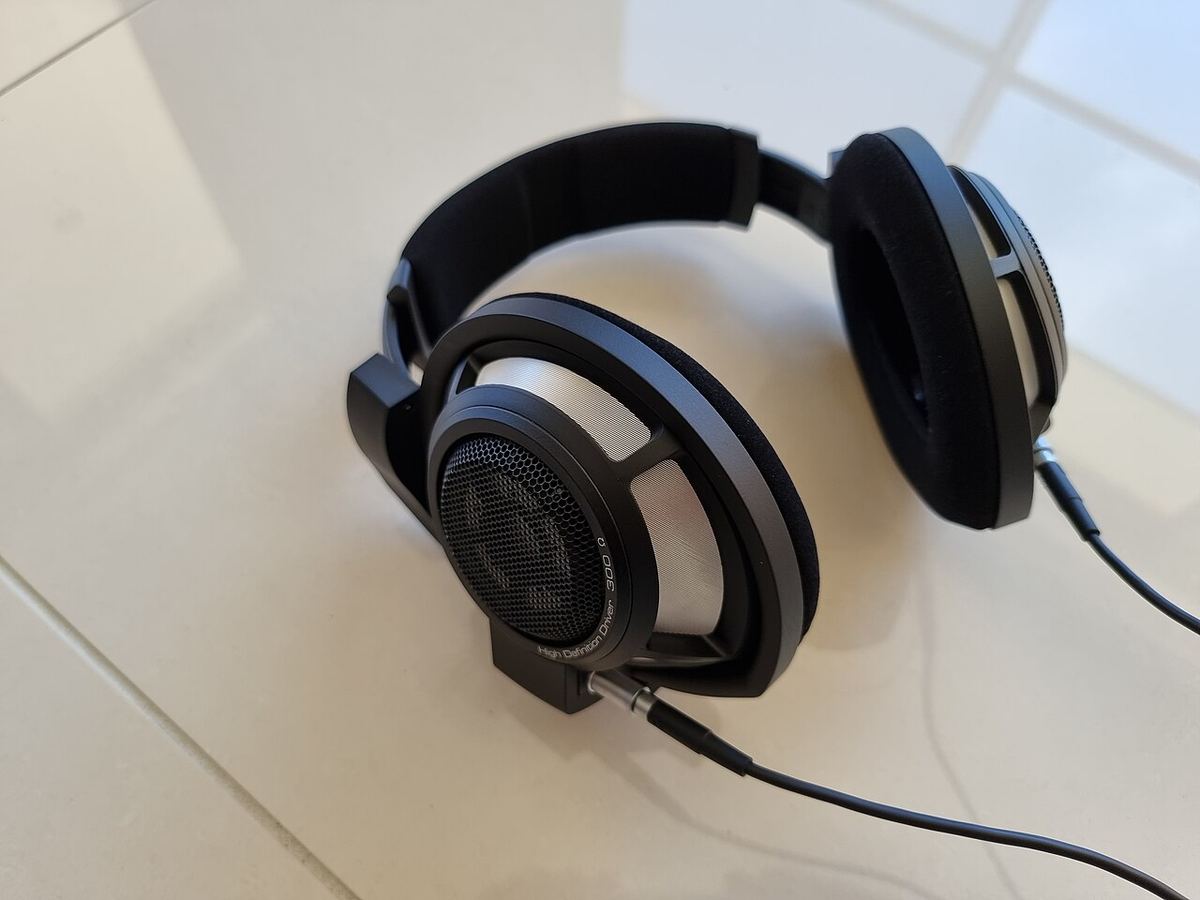
The most noticeable result is soundstage. Open-back headphones typically present music as though it exists in a space around your head rather than pinned tightly between your ears. Instruments feel more separated, the sense of air and decay is more convincing, and the overall presentation reads as more natural and less fatiguing over long sessions. Vocals and acoustic recordings in particular benefit from that openness.
The cost is blunt and non-negotiable: an open-back headphone does not isolate at all, and it leaks in both directions. Sound from your music escapes into the room for anyone nearby to hear, and sound from the room pours straight into your ears. A vent that lets the back-wave out is, by definition, a vent that lets outside noise in. On a train, in an office, or anywhere with other people, open-back headphones are effectively unusable — you will disturb others and be disturbed in turn.
Open-Back Strengths
Wider, more natural soundstage with better instrument separation; an airier, more spacious presentation; typically lower internal resonance and coloration because the rear wave is not trapped and reflecting. Often the preferred choice for critical, seated listening where realism matters more than practicality.
Open-Back Costs
Near-zero isolation — outside noise reaches your ears almost unimpeded. Sound leaks outward, so others hear your music clearly. Bass can feel lighter or less physically forceful because there is no sealed chamber to pressurise. Strictly a quiet-environment tool: at home, in a private room, and where you are alone.
What Closed-Back Does Well — and Its Cost
Closed-back headphones start from the opposite priority: keep the outside out and your music in. That sealed shell provides passive isolation, physically blocking a portion of ambient noise, and it stops your audio from leaking to the people around you. For a commute, a shared office, a library, or a late-night session next to a sleeping partner, that containment is the whole reason the design exists.
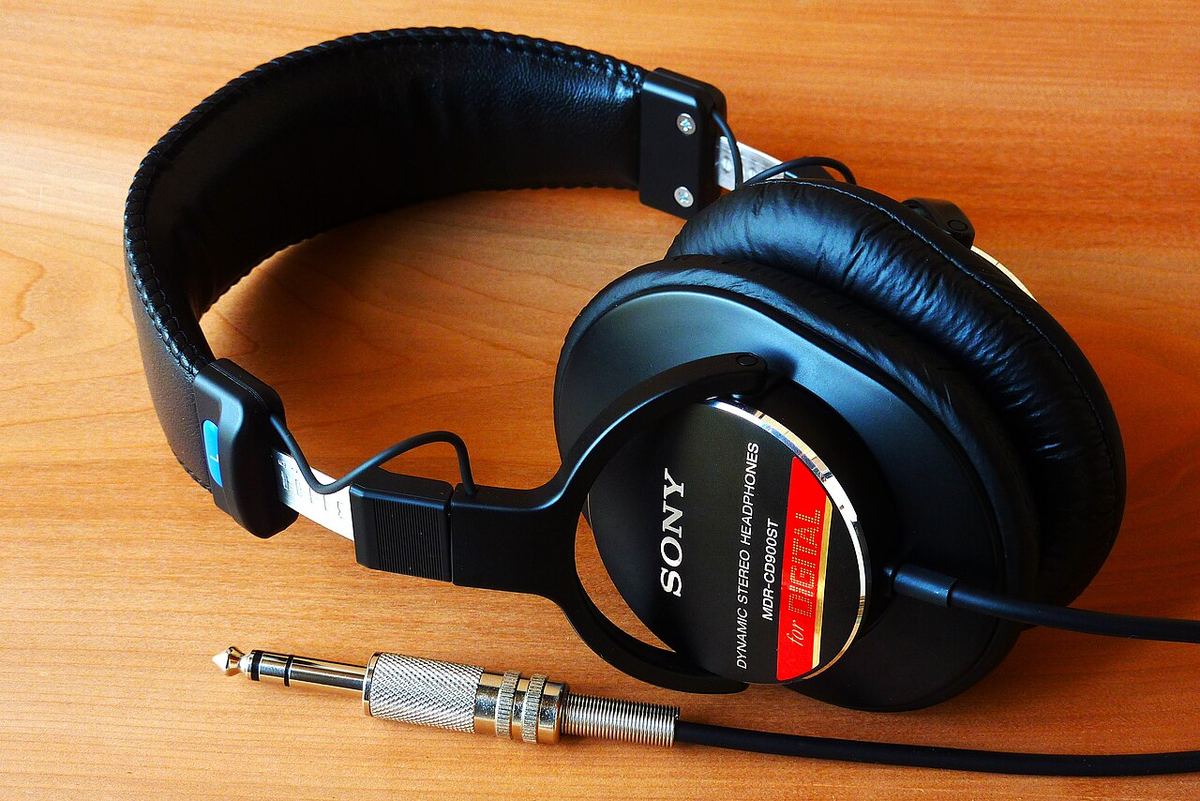
The seal also changes the bass. With a closed chamber behind the driver, the design can build and control low-frequency pressure in a way an open vent cannot, which is why closed-backs often deliver a stronger sense of low-bass slam and physical impact. That trait, combined with isolation, makes them the default for studio tracking (where a performer needs the headphone signal not to bleed into a live microphone) and for on-the-go listening where deep bass survives a noisy environment better than a delicate open stage would.
The cost is acoustic. Trapping the rear wave in a small sealed space means that energy has to go somewhere, and it can reflect and resonate inside the cup. That tends to produce a more closed-in, intimate stage — the sound sits closer to your ears — and can introduce cup resonances or a buildup of midbass that muddies the lower midrange if the enclosure is not carefully engineered. The best closed-backs manage these reflections with internal damping, but the physics always push in that direction.
Closed-Back Strengths
Meaningful passive isolation from outside noise; effectively no leakage outward, so you can listen among other people; typically stronger low-bass slam and physical impact thanks to the sealed chamber. The practical choice for commuting, offices, monitoring, and tracking in a studio.
Closed-Back Costs
A more closed-in, intimate soundstage that sits nearer your ears; potential cup resonances and midbass buildup from the trapped rear wave, which weaker designs handle poorly; a presentation that can feel less airy than a comparable open-back. Enclosure engineering and damping matter enormously to how well these are controlled.
Semi-Open: The Middle Ground
Between the two extremes sits a smaller category: semi-open headphones. These use a partially vented rear — more open than a sealed cup but more restricted than a fully open grille. The goal is to recover some of the openness and reduced resonance of an open-back while retaining a little more bass reinforcement and a modest reduction in leakage.
In practice, semi-open is a compromise rather than a cure. It does not isolate meaningfully — you should still treat it as a quiet-room design — and it does not open up quite as fully as a true open-back. It can be a sensible pick if you want a touch more low-end weight than an open-back gives while keeping much of the spacious character, but it does not escape the fundamental trade. If you genuinely need isolation, semi-open will not deliver it.
A Realistic Word on Isolation
It helps to be concrete about how much isolation each design actually provides, because the numbers are easy to overstate. An open-back headphone offers essentially zero attenuation — you will hear conversation, traffic, and keyboard clatter almost as if you had nothing on your ears. A closed-back headphone provides modest passive attenuation, typically damping some higher-frequency noise while doing far less against low rumble like bus engines or air conditioning.
Crucially, passive isolation is not active noise cancellation. Passive attenuation comes purely from the physical seal and materials; it has no electronics fighting the noise. A closed-back headphone without ANC will not silence an aircraft cabin the way a dedicated noise-cancelling model does. If deep, active silencing is your priority, that is a separate feature to shop for — and one that often lives in closed-back designs precisely because they start with a sealed cup to build on.
The deciding factor for most people: before comparing soundstage or bass, answer one question — where will you listen? If you are ever around other people, or need to block outside noise, isolation and leakage settle the matter and you want closed-back. Only if you listen alone in a quiet space does the open-back's superior stage become the sound-quality tiebreaker. Environment usually decides the design before taste ever gets a vote.
How Pads and Driver Type Interact
The open-versus-closed distinction is the dominant variable, but two other factors shade it, and it is worth knowing they exist without letting them distract from the main choice.
Ear pads form the second seal in the system — the one against your head. Even a closed-back cup leaks and loses bass if the pads seal poorly against your face, so pad shape, thickness, and material (velour breathes and leaks a little more; leather or protein-leather seals tighter and reinforces bass) measurably affect isolation and low-end. Worn or mismatched pads can meaningfully change how a headphone sounds, which is why re-padding is a common tweak.
Driver type — dynamic versus planar magnetic — affects character too. Planar drivers are prized for tight, even bass and low distortion and appear frequently in open-back audiophile designs, while dynamic drivers are lighter, easier to drive, and common across both camps. But a planar can be closed-back and a dynamic can be open-back; driver technology and cup design are independent choices. When judging isolation, leakage, and soundstage, the open-or-closed decision still leads, with driver type and pads refining the result rather than overturning it.
Choosing by Use Case
Because environment tends to decide the design, the cleanest way to choose is to start from where and how you listen rather than from a spec sheet.
- Quiet home listening, alone. If you have a private room and want the most natural, spacious sound for focused listening, open-back is the strong default. There is no one to disturb and nothing to block out, so you pay none of its costs and collect all of its benefits.
- Shared office or open-plan work. Leakage makes open-back a non-starter around colleagues. A closed-back keeps your music to yourself and takes the edge off ambient chatter — the practical, considerate choice.
- Commuting and travel. Noisy, public, and shared: closed-back, and often closed-back with active noise cancellation if you want to tame engine drone. Isolation and no leakage are the whole point here.
- Recording and monitoring. Tracking vocals or instruments demands closed-back so the headphone signal does not bleed into a live microphone. For studio mixing decisions, some engineers prefer an open-back's neutral stage — but only in a controlled, quiet room.
- One pair for everything. If you can own only a single headphone and your life includes any shared or noisy spaces, closed-back is the safer all-rounder. Open-back rewards those who can dedicate it to a quiet setting.
Neither Wins Outright
It is tempting to look for a verdict, but the honest conclusion is that open-back and closed-back are tools for different jobs. Open-back trades away isolation to deliver the most natural, spacious sound; closed-back trades away some of that openness to give you isolation, no leakage, and bass authority. A great open-back and a great closed-back can cost the same and both be excellent — they simply excel in different rooms. Many committed listeners eventually own one of each: an open-back for undisturbed home sessions and a closed-back for everywhere else. If you are deciding on just one, let your environment lead, and let soundstage break the tie only once isolation and leakage are satisfied.
Quick Reference: Open-Back vs. Closed-Back at a Glance
| Attribute | Open-Back | Closed-Back |
|---|---|---|
| Soundstage | Wide, spacious, natural; sound sits around your head | More intimate and closed-in; sound nearer your ears |
| Isolation | Essentially none (~0 dB) — outside noise comes right in | Modest passive attenuation; not the same as active ANC |
| Leakage | High — others clearly hear your music | Low — your music stays largely with you |
| Bass character | Can feel lighter; no sealed chamber to pressurise | Often stronger low-bass slam and physical impact |
| Coloration | Lower internal resonance; cleaner, airier response | Possible cup resonance and midbass buildup if poorly damped |
| Best use | Quiet, private, seated listening; some studio mixing | Office, commuting, travel, monitoring, and tracking |
Compare two headphones side by side
Weighing an open-back against a closed-back, or two models within one camp? Line up their specs and design traits in the compare tool to see how they stack up before you buy.
Compare Components →