
More Guides
The Knowledge Problem
When I returned to hi-fi after a long break, I got lucky in a way that most people don't: I had access to a small group of genuinely experienced, seasoned audiophiles who were willing to help guide my decisions. When I was weighing whether a particular phono stage would work with my cartridge, or whether an amplifier's specs were actually suited to my speakers, I could get an informed opinion from people who had spent decades building systems and learning from mistakes.
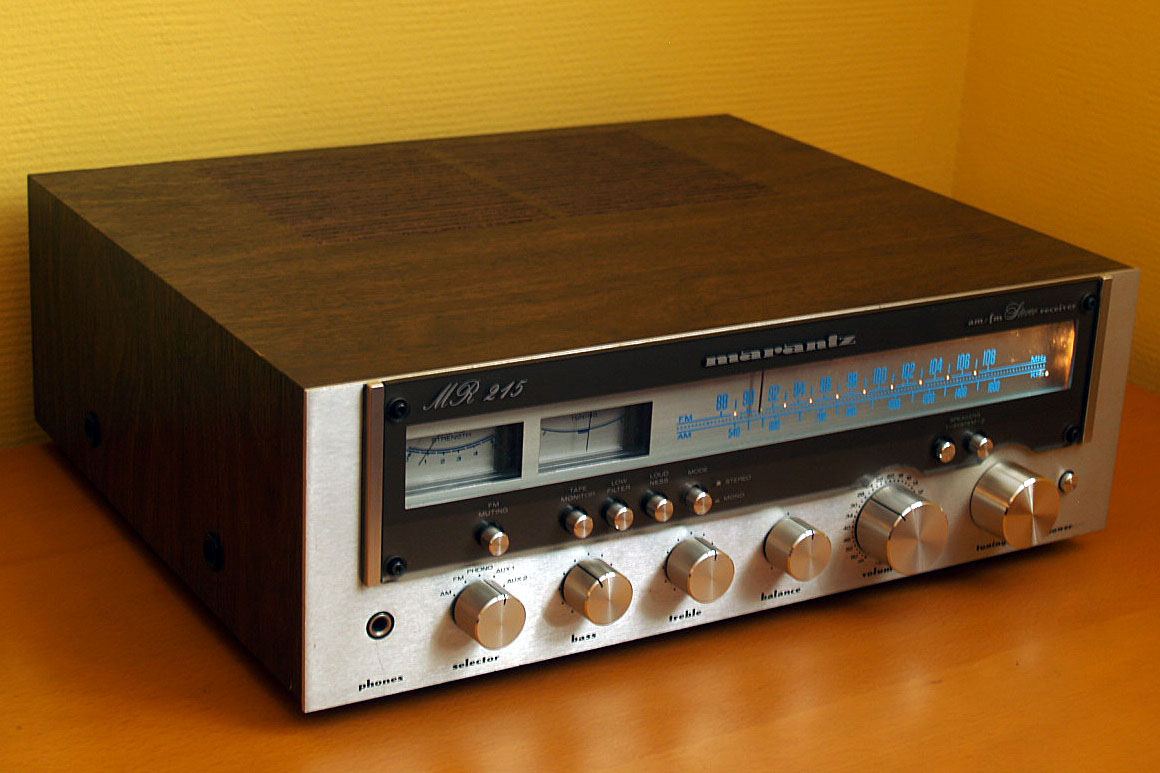
That kind of access is rare. Most people coming back to the hobby — or entering it for the first time — are working from forum posts, YouTube reviews, and spec sheets they're not always sure how to read. They don't have someone who can tell them, from experience, that a particular pairing is going to cause problems before they've spent the money to find out.
It's one of the reasons I built AudioChainHiFi.com. A compatibility checker won't replicate forty years of listening experience, but it can surface the technical problems — the impedance mismatches, the gain staging errors, the cartridge and tonearm combinations that will cause real issues — before any money changes hands.
The Strategy in Plain Terms
The idea is simple: identify the components that hold their performance on the used market and buy those used. Take the money saved — in my case, anywhere from 40 to 75 percent off comparable new prices — and direct it toward the components where condition, warranty, and known provenance genuinely matter.
On a single component, that saving is meaningful. Across five or six components in a complete system, it compounds into something significant. It's the difference between a system assembled at one budget level and a system that performs well above it.
The core insight: Audio electronics generally don't wear out the way mechanical components do. A well-built amplifier or DAC that has been treated well performs identically to a new one. Buying it used means you pay the depreciated price for undepreciated performance.
My System: The Used and New Split
Here is exactly how I applied this strategy in my own build. The used purchases represent the components where I was confident the used market offered genuine value without unacceptable risk. The new purchases represent the components where that calculus went the other way — and which I could only afford at their tier because of what I saved elsewhere.
- CD PlayerCambridge Audio AXC35
- DACPS Audio DirectStream MK1
- StreamerSilent Angel M1T
- TurntableFluance RT85
- Phono PreampParasound zPhono XRM
- Power AmplifierParasound 2125 v2
- PreamplifierParasound 200Pre
- SpeakersWharfedale Evo 5.1
- CartridgeDenon DL-301 II (LOMC)
- EQSchiit Audio Lokius
The Wharfedale Evo 5.1 speakers and the Denon DL-301 II cartridge are both components I would not have reached at their price points without the savings from the used purchases. Those are also, not coincidentally, two of the components that make the biggest audible difference in the system — which is exactly how the strategy is supposed to work.
The Amp Journey: A Compatibility Case Study
I want to be honest about the amplifier side of this build, because it's the part that cost the most in time and money to get right — and the part that most directly illustrates why compatibility checking matters.
The Wharfedale Evo 5.1 speakers are rated at 4 Ω nominal impedance and 87 dB sensitivity. That combination asks real questions of an amplifier: enough power to drive a relatively insensitive speaker, enough current delivery and stability to handle a 4 Ω load, and enough control at those impedances to keep the bass tight. I didn't fully understand that going in, and the amp journey reflects it.
Fosi ZA3 × 2 (mono configuration) (affiliate link)
Two small Class D amplifiers run in mono — an ingenious budget solution on paper. They worked, and the spec sheet was impressive for the price. But driving 4 Ω speakers with adequate current and control is where the limits showed. The system worked; it just didn't fully unlock what the Wharfedales were capable of.
Emotiva A2m+
A real step forward — more power, more confidence into lower impedances, better dynamics. At this stage I was starting to understand what the speakers actually needed from an amplifier. The Emotiva was a solid performer but not the end of the road.
Parasound 275 v1
Moving into Parasound territory clarified what I had been missing. More current, better low-impedance stability, tighter bass control. The Wharfedales responded noticeably. This was the point at which the system started to sound like the sum of its parts rather than a collection of components working against each other.
Parasound 2125 v2 — current
150 W per channel into 8 Ω and 225 W into 4 Ω, explicitly rated for 4 Ω operation, with the current delivery and damping factor to genuinely control the Wharfedales. This is where the system settled. The speakers haven't changed — the amp finally matches what they need.
The lesson I take from that journey is not that I bought the wrong amps — each one was a reasonable purchase at the time. The lesson is that understanding the speaker's impedance and sensitivity requirements from the start would have pointed me to the right amplifier tier earlier. That's a check this tool can now run before you spend the money.
Check your amp and speaker compatibility
Enter your amplifier and speakers to verify power, impedance stability, and sensitivity matching before you buy.
Run a Free Analysis →What to Buy Used — and What Not To
Not everything belongs on the used list. The strategy works because some components are genuinely safe to buy used and others carry risks that reduce or eliminate the financial advantage.
Good candidates for used purchases
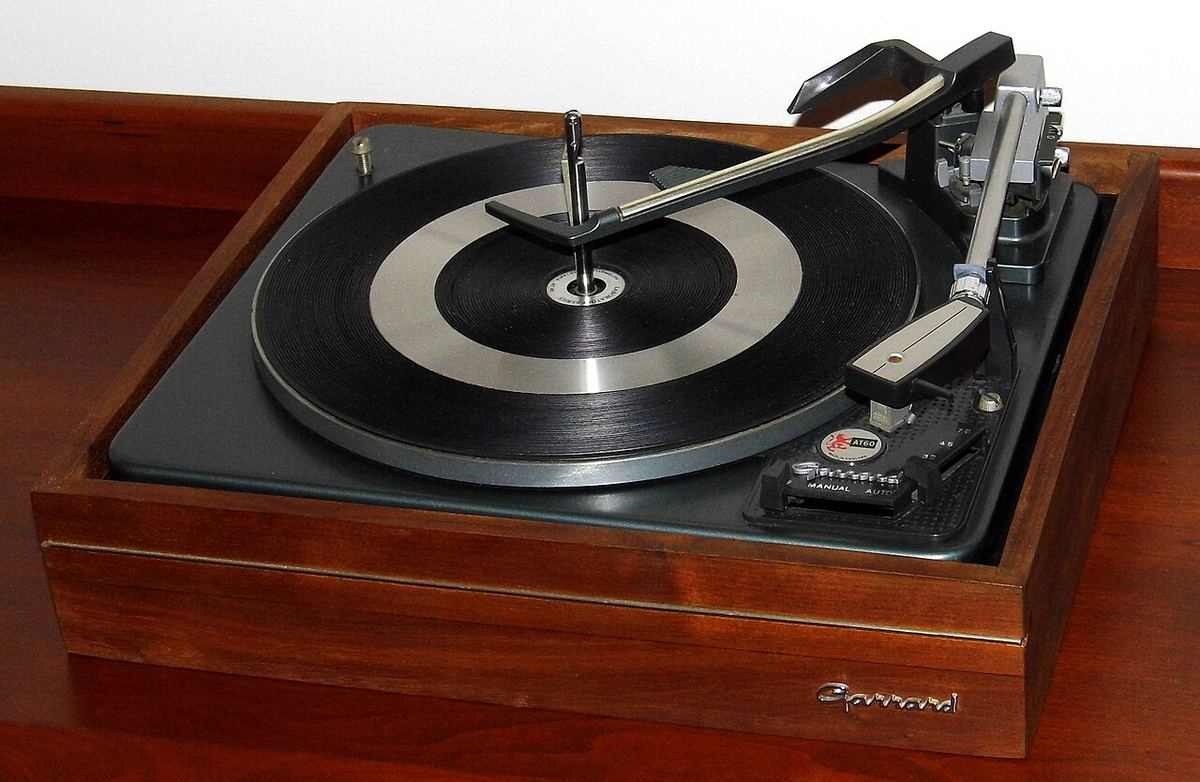
Modern electronics — amplifiers, DACs, streamers, phono preamps — from reputable manufacturers generally hold their performance well on the used market. If the unit has been treated with reasonable care and the seller has a verifiable history, you are in most cases getting identical performance to a new unit at a significant discount. The key qualifiers are the source and the condition.
I would recommend against buying used electronics if you cannot verify the source or the equipment's history. Capacitors and resistors in older gear degrade over time — an amplifier that powers on and plays music today may be approaching a failure that a service technician would catch on inspection. An aging power supply capacitor does not announce itself before it fails.
Unless you have the skill and knowledge to evaluate and repair electronics yourself, or a trusted audio repair facility you can bring a purchase to for inspection, stick to used gear from reputable dealers, certified refurbishers, or private sellers with documented history. When in doubt, buying new with a warranty is the right call. The savings only make sense if the component actually works reliably.
Think carefully before buying these used
Cartridges — stylus wear is largely invisible without magnification. A seller may genuinely not know how many hours are on a stylus, and even a well-preserved cartridge body can have a worn or damaged stylus tip. Unless the cartridge has a replaceable stylus, the hours are documented, and you have specific reason to trust the seller's account, buying new is usually the better value. A new cartridge at a known condition is worth more than a mystery.
Older equipment with no service history — gear from the 1980s and 1990s can be excellent performers, but factor in the realistic probability of a recap or service visit when calculating the true cost. A $200 used amplifier that needs $150 in capacitor work is a $350 amplifier.
Where new consistently makes sense
Speakers benefit from inspection before purchase — foam surrounds degrade, drivers can be damaged, and condition is hard to assess from photos. When I bought the Wharfedale Evo 5.1s new, the warranty and known condition were part of the value. For a component that will anchor the system for years, that matters.
Why Compatibility Matters More With Used Gear
When you buy from a dealer, you can ask questions, arrange a demo, and return something that doesn't work. When you buy used — from a private seller, from a used audio marketplace, from a classified listing — none of those options exist. You are committing the full purchase price based on a spec sheet and the seller's description.
A compatibility mismatch discovered after a used purchase doesn't cost you the inconvenience of a return. It costs you the money you spent, the time to resell, and usually a loss on the resale price. That's the real financial risk of buying used without doing the technical homework first.
Check compatibility before you commit, not after
Before purchasing any used component, verify that its key specifications — output impedance, input sensitivity, gain, cartridge loading requirements — are compatible with what it will connect to. The tool at AudioChainHiFi.com runs exactly those checks against published manufacturer specifications. It won't tell you how something sounds, but it will tell you whether it should work before you hand over the money.
The Phono Chain: Where the Strategy Gets Interesting
The vinyl portion of my system has been both the most technically demanding and the most rewarding part of the build. It is also where the used strategy required the most care — because cartridges are expensive, condition-dependent, and make a larger audible difference than almost any other component in the chain.
The Parasound zPhono XRM was a deliberate strategic choice. Its ability to adjust loading resistance and gain across a wide range means it can accommodate a broad range of cartridges — MM or MC, high output or low output. I bought it used knowing that my cartridge situation might evolve, and I didn't want to be forced into replacing a phono stage every time I made a cartridge change. That flexibility has real value in a system built around the used market, where you may not know exactly which components you'll be running in two years.
The Denon DL-301 II is a low-output moving-coil cartridge producing 0.4 mV with a 33 Ω internal impedance. It is the most technically demanding component in my signal chain. Getting the loading right on the zPhono XRM — and confirming that the available gain (typically 60 dB or more for LOMC) was adequate — was precisely the kind of calculation I originally wanted this tool to perform automatically. The phono chain resonance calculation, which factors in the Fluance RT85's tonearm effective mass against the DL-301 II's dynamic compliance, was the first real test of the analyzer and the reason the phono analysis module exists.
Cartridges, in my experience, are where the most significant sound differences live in the phono chain. They are also the component where buying used carries the most risk. I bought the DL-301 II new — a direct result of having saved money on the turntable and phono stage. The strategy, applied correctly, points your new-purchase budget exactly where it will make the biggest difference.
Check your phono chain before you buy
Enter your turntable, cartridge, and phono preamp to get a full compatibility analysis — resonance frequency calculation, gain verification, and loading recommendations.
Run a Free Analysis →