
More Guides
An integrated amplifier combines a preamplifier (input selection, volume control, and gain) and a power amplifier (which drives the speakers) in a single chassis. Separates break these into a standalone preamp and one or more power amps. Increasingly, integrated amps also fold in a DAC and a phono stage, becoming "just add speakers and a source" hubs. The right choice depends on power needs, system complexity, and how you plan to upgrade.
What Each Approach Includes
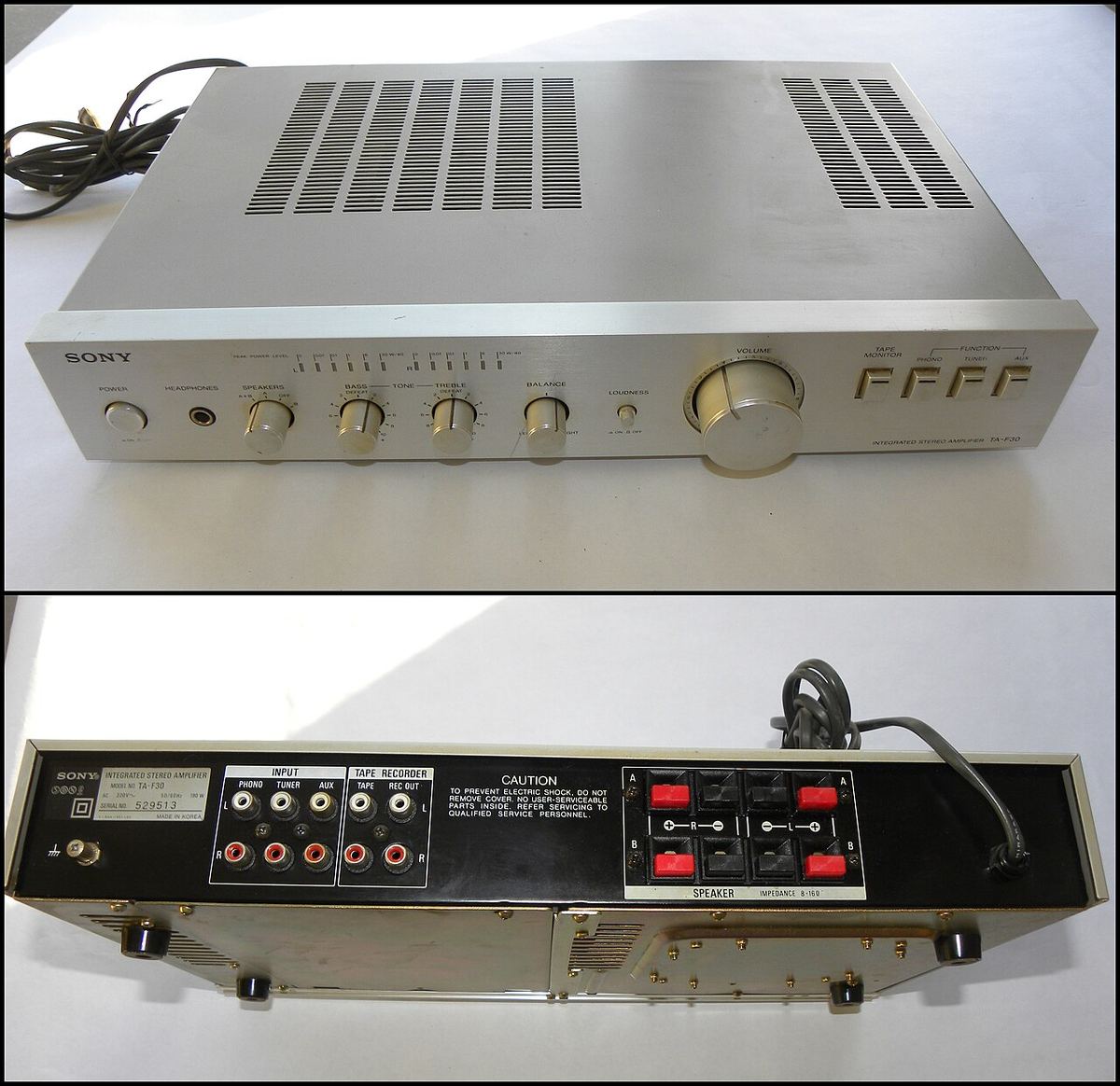
Integrated Amplifier
Preamp + power amp in one box, often with a built-in DAC, phono stage, Bluetooth, or streaming. Fewer boxes, one power cord, one set of internal interconnects, and a single remote. Modern integrateds can be genuinely high-performance; the category is no longer the compromise it once was. Best for most systems where simplicity and value matter.
Separates (Pre + Power)
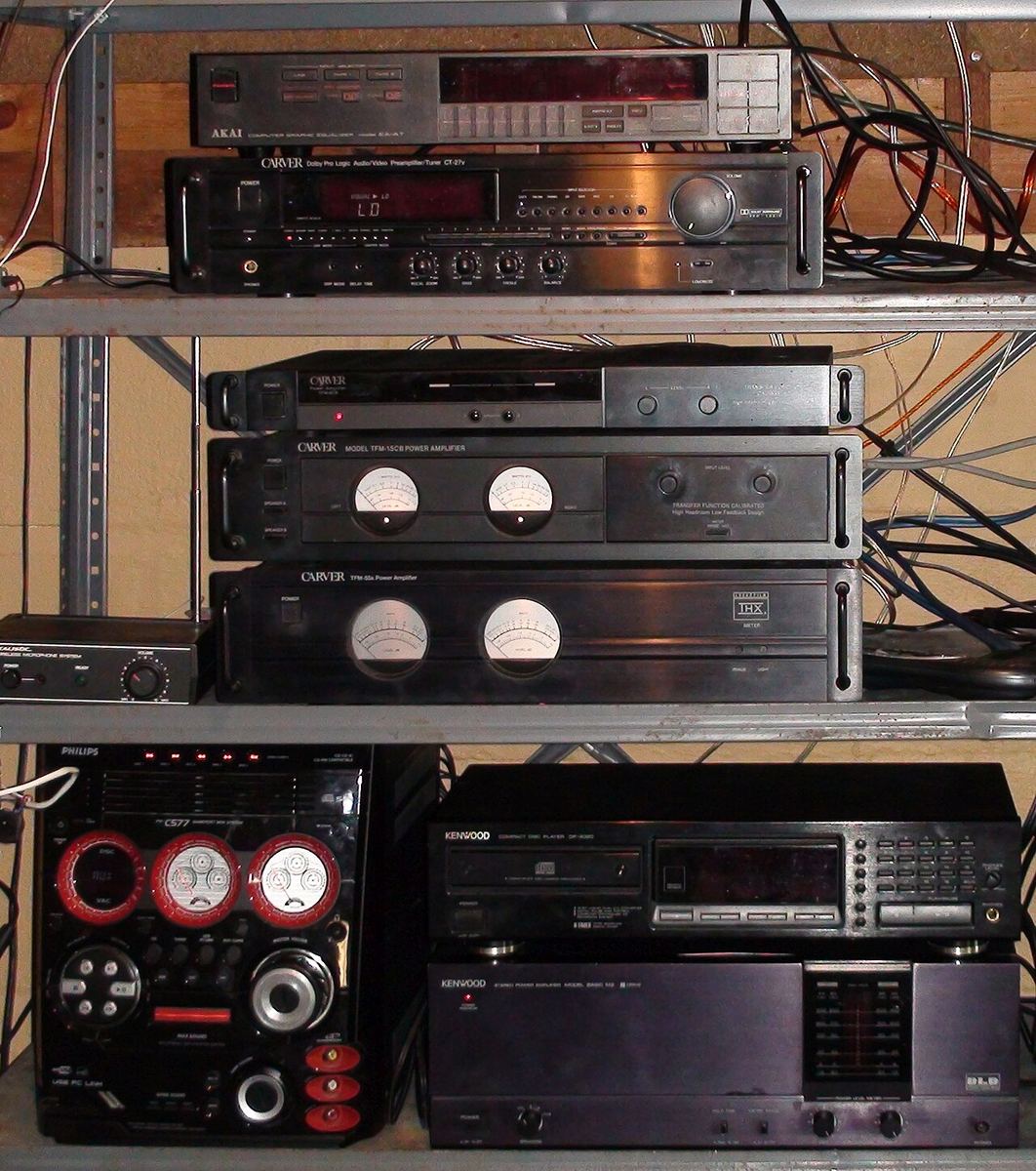
A dedicated preamplifier feeds one or more power amplifiers via interconnects. This isolates the sensitive, low-level preamp circuitry from the high-current, electrically noisy power stage — and from each other’s power supplies. It also allows independent upgrades and exotic configurations (monoblocks, bi-amping). Best when you need maximum power, the lowest noise floor, or a long-term upgrade path.
Why Separates Can Outperform
Power Supply and Noise Isolation
A power amplifier draws large, fluctuating current; a preamp handles delicate millivolt-level signals. Housing them separately gives each its own power supply and shields the preamp from the power stage’s electromagnetic and supply-rail noise. With monoblocks, each channel gets its own chassis and supply, eliminating crosstalk between left and right. This isolation is the core technical argument for separates — though a well-engineered integrated can manage it internally.
Power and Difficult Speakers
Separate power amps — particularly monoblocks — can deliver far more current and power than most integrated amps, which matters for low-sensitivity speakers, low-impedance loads, or large rooms. If your speakers are demanding (dipping below 4 ohms, sensitivity under 85 dB) or you listen loud in a big space, a powerful separate amp may be necessary where an integrated would run out of headroom and clip. The amplifier and speaker matching guide shows how to check.
Preamp Gain and Matching
Gain Structure
With separates, the preamp’s output and the power amp’s input sensitivity and gain must be compatible, or you end up with too little usable volume range or excess noise. Check that the power amp’s input sensitivity (the voltage needed for full output) matches the preamp’s output capability. An integrated handles this internally — one less thing to get wrong. When mixing brands in a separates system, gain mismatch is the most common integration pitfall.
Home-Theater Bypass
HT Bypass / Processor Loop
If you want one set of front speakers to serve both a two-channel hi-fi and a multichannel home-theater system, look for home-theater bypass. It routes the AV processor’s front-channel outputs through the integrated amp (or preamp) at unity gain, bypassing its volume control so the processor manages level. This lets a high-quality two-channel amp drive the front speakers for movies without duplicating amplification. Without it, integrating the two systems is awkward.
Practical guidance: For most listeners, a quality integrated amp delivers 90% of the performance with a fraction of the cost, cabling, and rack space. Choose separates when you have a specific reason: very demanding speakers, a desire to upgrade pre and power independently over time, or the need to place monoblocks next to the speakers on short cable runs.
The Modern Integrated: More Than an Amplifier
Twenty years ago an integrated amplifier was a preamp and a power amp sharing a box. Today many are complete systems: they add a DAC, a phono stage, network streaming, Bluetooth, HDMI ARC for a television and sometimes room correction. For a lot of people that makes the integrated the entire electronics budget in one purchase, and it removes several interconnects and power cords from the rack.
The trade-off is that these functions age at different speeds. A well-built analog amplifier stage can serve for decades. A streaming module depends on apps, firmware and service integrations that change every few years, and a DAC section tends to be overtaken by newer chips and formats long before the power amplifier is tired. When choosing an all-in-one integrated, it is worth checking that it has at least one digital input and an analog input you can use to bypass its internal streamer or DAC later. That way, if the software side stops being supported, you can plug in an external streamer and keep the amplifier.
Pre-Outs and Main-Ins: The Middle Path
The choice is not strictly one or the other. Two connections on the back of many integrated amplifiers let you move gradually toward separates without selling anything:
- Pre-out — a line-level output after the volume control. Connect it to an external power amplifier and the integrated becomes a preamp. This is the usual upgrade path when you buy more demanding speakers: keep the integrated's inputs, phono stage and remote, and add a more powerful amp.
- Main-in (power amp in) — an input straight into the power section, bypassing the integrated's preamp. Use it to drive the amplifier from an external preamp or an AV processor.
- Subwoofer out — often a pre-out in disguise. If it is full-range and follows the volume control, it can feed a subwoofer with its own crossover.
Some integrateds use a jumper or a switch to link pre-out and main-in internally; remove the jumper or flip the switch only when you have something connected to the main-in, or the amplifier will go silent.
A Worked Example of Gain Matching
Gain matching sounds abstract until you run the numbers for a real pair. Take a power amplifier rated at 100 W into 8 Ω. Full power into 8 Ω is about 28.3 V. If the amplifier has 29 dB of voltage gain (a very common figure), its input sensitivity is about 1 V — one volt in produces full output.
Now feed it from a DAC with a standard 2 V output through a preamp with unity gain (0 dB). At the top of the volume range the system can deliver 2 V to the amplifier, which is about 6 dB more than it needs for full power. Comfortable listening at an average of around 1 W needs only about 2.8 V at the speaker, or roughly 20 dB below full output, which puts the volume control at around −26 dB. That is a healthy setting, well into the control's range where channel balance is accurate.
Swap in a preamp with 12 dB of gain and everything moves down by 12 dB: full power arrives at about −18 dB and normal listening sits near −38 dB, crowded into the bottom of the control where potentiometers track worst and small adjustments make large jumps. Nothing is broken, but the system is harder to use and may hiss. This is the most common practical problem with mixing separates from different makers, and it is why the preamplifier guide treats gain as a primary specification. An integrated amplifier is designed with its gain structure already sorted.
The Practical Costs of Separates
Beyond the price of the boxes themselves, separates bring some everyday overheads worth budgeting for:
- Cabling — an extra pair of interconnects between preamp and power amp, plus an extra power cord and outlet for each chassis. Monoblocks double the power side again.
- Space and heat — a substantial power amp is heavy, often needs a low shelf or floor stand, and must have free air around its heatsinks.
- Switch-on order — to avoid thumps through the speakers, turn the preamp on first and the power amp last, and switch off in the reverse order. Many components offer a 12 V trigger connection that automates this.
- More to match — gain, input and output impedance, and balanced versus single-ended connections all have to be checked between boxes.
None of this argues against separates. It simply means the performance gain needs to be real for your speakers and room to justify the extra complexity. With easy-to-drive speakers in an ordinary room, a good integrated is rarely the limiting factor.
Quick Reference: Integrated vs Separates
| Factor | Integrated | Separates |
|---|---|---|
| Boxes / Cabling | One chassis, minimal cabling | Multiple chassis and interconnects |
| Noise Isolation | Good, managed internally | Best — physically separated supplies |
| Max Power | Moderate to high | Highest, especially monoblocks |
| Upgrade Path | Replace the whole unit | Upgrade pre and power independently |
| Gain Matching | Handled internally | Must match pre output to amp sensitivity |
| Cost & Complexity | Lower | Higher |
Check your amplifier and source chain
Enter your preamp, power amp or integrated, sources, and speakers to get a full signal-chain analysis including gain staging and impedance matching.
Run a Free Analysis →